Best season and month-by-month weather in Togean Islands
- Dry season offers ideal weather for diving and land activities.
- Temperature averages around 28-32°C (82-90°F).
- Less rainfall ensures better visibility for underwater exploration.
Month-by-Month Weather Overview in the Togean Islands
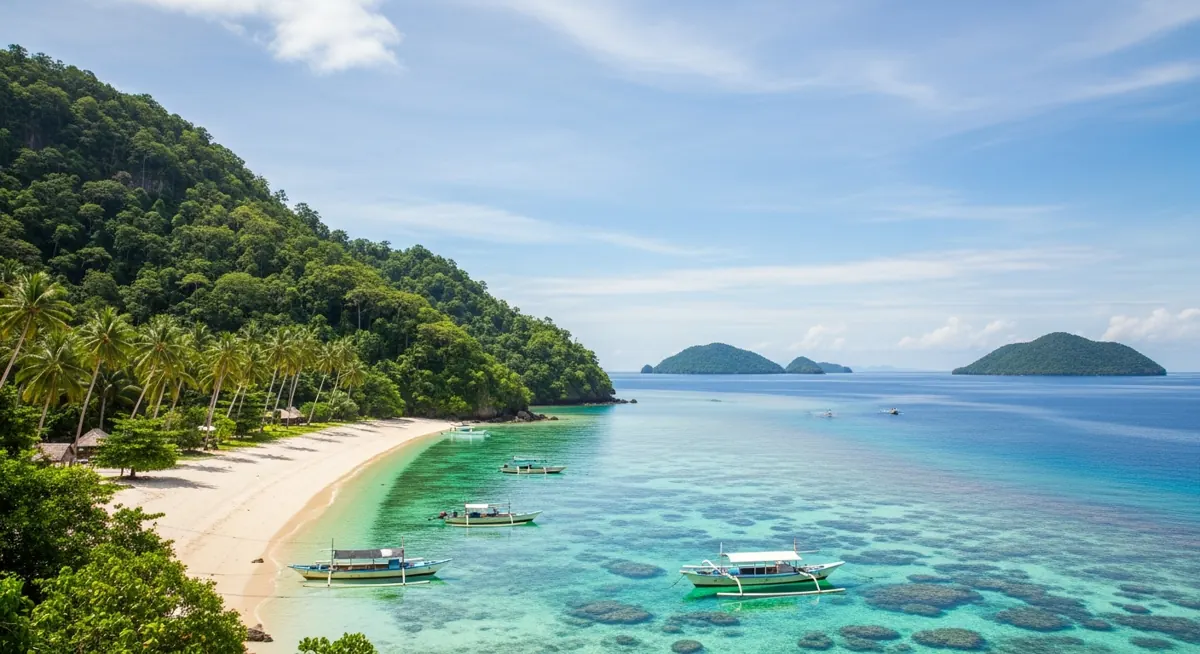
The Togean Islands, situated in the Banggai Archipelago in Central Sulawesi, Indonesia, offer a unique travel experience with their diverse marine life, cultural richness, and beautiful landscapes. Understanding the weather patterns throughout the year is essential for planning your visit. This guide breaks down the monthly weather conditions to help you determine the best time to visit the Togean Islands.
January
January marks the peak of the rainy season in the Togean Islands. Expect frequent rain showers and higher humidity levels. The average temperature ranges from 26 to 30°C (79 to 86°F). While diving may still be possible, visibility can be affected by the rain. For those who prefer land activities, be prepared for muddy trails and potential cancellations of tours due to weather conditions.
February
February continues the rainy season, although rainfall may start to decrease slightly compared to January. Average temperatures remain consistent, with highs around 30°C (86°F). Diving conditions improve as the month progresses, but visitors should still anticipate occasional rain. February can be favorable for travelers seeking lower tourism crowds.
March
March marks the transition to the dry season. While rain is still possible, it typically occurs in shorter bursts. The average temperature is around 29°C (84°F). As the month progresses, diving conditions improve significantly, making it an excellent time for underwater exploration. The landscapes also become lush and vibrant as nature reawakens after the rains.
April
April is one of the best months to visit the Togean Islands. The dry season officially begins, with significantly reduced rainfall and average temperatures around 28-31°C (82-88°F). Conditions for diving and other outdoor activities are ideal, with great visibility and calm seas. This is also the time when local festivals may occur, providing a glimpse into the culture of the islands.
May
May continues the trend of dry weather, making it an excellent time for both diving and land activities. The average temperature remains steady at around 29°C (84°F). Visibility underwater is at its best, and marine life is abundant as the waters warm up. May is an excellent month for those looking to maximize their diving experiences.
June
In June, the warm and dry conditions persist. Temperatures range from 28 to 32°C (82 to 90°F). This month is particularly popular among divers, as the water visibility and marine biodiversity peak. June is also a great time for hiking and exploring the islands’ natural beauty without the interruption of rain.
July
July is considered one of the peak months for tourism in the Togean Islands. The weather is typically dry, with average temperatures around 28-31°C (82-88°F). Diving conditions remain excellent, and many travelers flock to the islands to enjoy the vibrant marine life. This is also a popular time for families and groups, so booking in advance is advisable.
August
August continues the trend of dry and sunny weather. With temperatures ranging from 29 to 32°C (84 to 90°F), this month is also a peak travel period. The water remains warm, making it perfect for diving, snorkeling, and other water sports. Expect more tourists during this month, so plan your activities accordingly.
September
September marks a gradual transition from the peak season to the shoulder season. While the weather remains primarily dry with temperatures around 28-31°C (82-88°F), some rain may begin to return. Diving conditions are still favorable, though visibility may start to decline slightly as the month progresses. This could be a good time for travelers seeking a quieter experience.
October
October is the start of the rainy season, but it can still be a good time to visit. Rainfall increases, but it often comes in short showers, allowing for plenty of sunshine. Average temperatures remain stable at around 28-30°C (82-86°F). Diving is still possible, but be prepared for occasional rough seas. October can provide unique opportunities to see marine life preparing for the seasonal changes.
November
November sees more rainfall as the rainy season progresses. Average temperatures drop slightly to around 27-29°C (81-84°F). While diving may still be possible, visibility can be significantly affected by increased rainfall. Land activities may also be limited, but this month is perfect for those interested in experiencing local culture with fewer tourists around.
December
December is typically one of the wettest months in the Togean Islands, with average temperatures around 26-29°C (79-84°F). Rainfall can be heavy, leading to high humidity and potential disruptions to travel plans. While not the ideal time for diving, the islands can still offer a unique cultural experience for those willing to brave the weather.
Optimal Months for Diving in the Togean Islands
July and August stand out as the prime months for diving in the Togean Islands, offering the clearest waters and most favorable weather. During these months, visibility is at its peak, providing an exceptional experience for underwater exploration. While the dry season extends from April to October, visiting during these specific months ensures a vibrant marine life and optimal conditions for both novice and experienced divers.
For current rates and to plan your customized trip, see current rates.
Planning specifics? See read the full guideOr book Luwuk Private Trip | Luwukprivatetrip.
Exploring the Togean Islands: Ideal Seasons and Weather Patterns
When planning a trip to the Togean Islands, understanding the region’s weather patterns is crucial for an optimal experience. The best time to visit is between April and November, when the dry season brings calm seas and clear skies, perfect for diving and island-hopping. During these months, the renowned dive sites such as Pasir Tengah Atoll and The Pinnacle at Una Una Island reveal their underwater wonders with excellent visibility. The dry season also ensures smooth ferry rides from Ampana, whether you choose the leisurely 4-5 hour public ferry or the faster 1.3-hour speedboat to Wakai.
While December to March marks the wet season in the Togeans, it’s not without its charms. Though rain showers are more frequent, the marine life remains vibrant, and the crowds thin out, offering a more intimate experience with nature. Dive sites like the Black Coral Wall and Jellyfish Lake continue to enchant visitors, albeit with slightly reduced visibility. It’s also a good time to enjoy the lush landscapes and the unique serenity that comes with fewer travelers. Divers should be prepared for occasional strong currents and plan dives accordingly, potentially limiting visits to deeper sites like The Crack.
Overall, whether you seek the tranquility of the dry season or the solitude of the wet months, the Togean Islands offer diverse experiences year-round. Our private trips from Luwuk ensure a seamless journey, with personalized transfers to Ampana and customized itineraries to suit your preferences. With the right timing and preparation, your Togean adventure promises singular encounters with nature’s splendor.